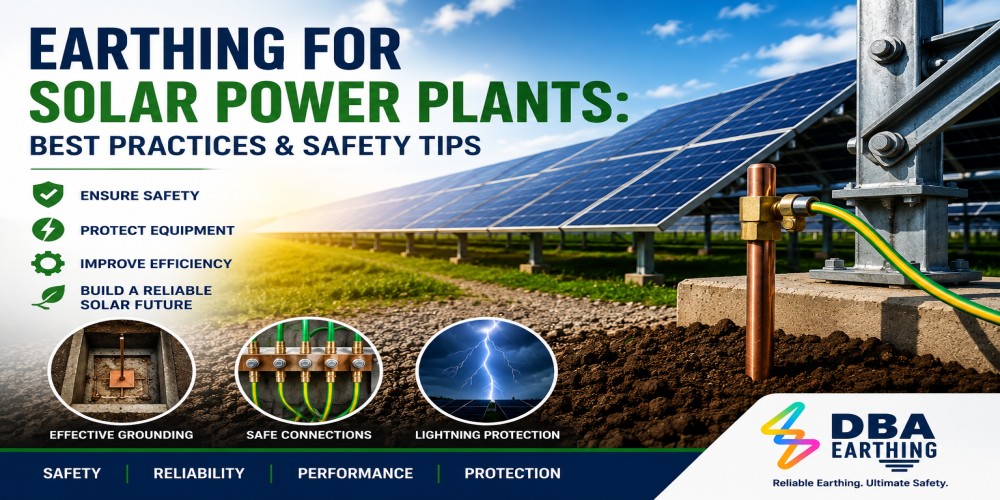
As the demand for renewable energy continues to rise, solar farms are becoming a critical part of modern power infrastructure. While solar energy systems offer sustainability and long-term cost savings, ensuring their safety and operational efficiency is equally important. One of the most essential aspects of solar infrastructure is earthing for solar power plants.
A well-designed earthing system protects equipment, prevents electrical hazards, and ensures uninterrupted performance of solar farms. Without proper grounding, solar installations are vulnerable to lightning strikes, electrical surges, and equipment failures that can lead to costly downtime and safety risks.
What Is a Solar Farm Earthing System?
An earthing system is a network of conductors, electrodes, and grounding components designed to safely dissipate fault currents into the ground. In solar farms, earthing systems connect solar panels, inverters, transformers, and mounting structures to the earth to minimize electrical risks.
The primary goal of earthing for solar power plants is to maintain electrical safety while protecting expensive equipment from damage caused by voltage surges or lightning strikes.
Importance of Earthing for Solar Power Plants
1. Electrical Safety
Solar power plants operate with high voltages and large electrical loads. Improper grounding can expose workers and nearby infrastructure to electric shocks. Effective earthing systems reduce the risk of electrical accidents by safely directing fault currents into the ground.
2. Lightning Protection
Solar farms are often installed in open spaces, making them vulnerable to lightning strikes. Proper earthing for solar panels helps dissipate lightning energy safely, preventing severe damage to modules, inverters, and transformers.
3. Equipment Protection
Electrical surges and faults can damage sensitive solar equipment. Reliable earthing solutions protect expensive components from overheating, insulation failure, and short circuits, extending the lifespan of the entire system.
4. Improved System Efficiency
A stable grounding system ensures smooth operation of solar power plants. Efficient earthing reduces voltage fluctuations and improves the overall performance and reliability of the electrical network.
Types of Earthing Solutions Used in Solar Power Plants
Different solar projects require different grounding methods depending on soil conditions, plant size, and environmental factors. Below are some common earthing solutions used in solar farms:
Plate Earthing
Plate earthing involves burying a metal plate deep in the ground to create a low-resistance path for fault currents. This method is commonly used in medium-sized solar installations.
Pipe Earthing
Pipe earthing uses galvanized iron or copper pipes placed vertically into the soil. It is one of the most cost-effective and widely used grounding methods for solar plants.
Chemical Earthing
Chemical earthing is an advanced grounding solution that uses conductive compounds to maintain low soil resistance. It is highly effective in areas with dry or rocky soil conditions.
Grid Earthing
Large-scale solar farms often use grid earthing systems, where multiple grounding electrodes are interconnected to create a robust and stable grounding network.
Best Practices for Solar Farm Earthing Systems
Conduct Proper Soil Resistivity Testing
Before designing an earthing system, it is important to analyze soil resistivity. Soil conditions directly affect grounding performance. Conducting a detailed soil study helps determine the right earthing method and materials for the site.
Use High-Quality Conductive Materials
The performance of earthing for solar power plants depends heavily on the quality of grounding materials. Copper-bonded electrodes, galvanized steel, and high-conductivity compounds improve durability and conductivity.
Ensure Low Earth Resistance
A low-resistance grounding system ensures efficient dissipation of fault currents. Regular testing should be conducted to maintain recommended resistance levels and ensure compliance with safety standards.
Protect Against Corrosion
Corrosion can weaken grounding systems over time. Using non-corrosive electrodes and chemical compounds helps improve the lifespan and reliability of solar farm earthing systems.
Install Proper Lightning Protection Systems
Lightning arresters should be integrated with the earthing network to provide complete protection against atmospheric discharges. This is especially important for large solar farms located in open areas.
Perform Routine Maintenance
Regular inspection and testing are essential for maintaining grounding efficiency. Earthing pits, conductors, and joints should be checked periodically for corrosion, damage, or loose connections.
Earthing for Solar Panels: Key Considerations
Grounding Solar Module Frames
Solar panel frames should be directly connected to the earthing system to prevent electrical leakage and shock hazards.
Inverter Earthing
Inverters are among the most sensitive components in solar power plants. Proper grounding protects them from voltage spikes and improves operational stability.
Cable Management
Grounding cables should be properly insulated and routed to avoid accidental damage. Poor cable management can reduce grounding efficiency and create safety risks.
Compliance with Safety Standards
Solar farm grounding systems should comply with national and international electrical safety standards to ensure long-term reliability and regulatory compliance.
Practical Tips to Improve Grounding Performance
- Use moisture-retaining backfill compounds to maintain soil conductivity.
- Install multiple grounding electrodes in high-resistance soil areas.
- Avoid sharp bends in grounding conductors to reduce impedance.
- Conduct annual earth resistance testing for preventive maintenance.
- Use advanced earthing solutions for large-scale solar projects with varying soil conditions.
These practical measures can significantly improve the effectiveness and durability of solar farm grounding systems.
Common Challenges in Solar Farm Earthing
High Soil Resistivity
Dry and rocky soils can increase grounding resistance. Chemical earthing compounds are often used to overcome this challenge.
Corrosion of Grounding Components
Environmental exposure can corrode metallic grounding elements. Using corrosion-resistant materials helps prevent performance degradation.
Inadequate Maintenance
Neglecting regular inspection can lead to grounding failures. Preventive maintenance is essential for long-term system reliability.
Why Professional Earthing Solutions Matter
Solar farms are high-investment projects that require reliable protection systems. A professionally designed earthing network ensures safety, operational continuity, and equipment protection. Choosing experienced providers for earthing for solar power plants helps minimize electrical risks while maximizing system performance.
Conclusion
An efficient earthing system is one of the most important safety components in any solar power installation. From protecting workers and equipment to improving operational efficiency, proper earthing for solar panels plays a critical role in the success of solar farms. By implementing advanced earthing solutions, solar power plant operators can reduce electrical hazards, improve grounding performance, and ensure long-term reliability.
For high-quality and dependable grounding systems, DBA Earthing – Mumbai, India is a trusted name in the industry. With expertise in advanced earthing technologies and customized solutions for industrial and renewable energy projects, DBA Earthing provides reliable support for solar farms across India. Contact us today for expert consultation, high-performance grounding systems, and reliable earthing products designed for maximum safety and efficiency.
Frequently Asked Questions (FAQs)
1. Why is earthing important for solar power plants?
Earthing for solar power plants protects equipment, prevents electrical shocks, and safely dissipates fault currents and lightning surges.
2. What is the best earthing method for solar panels?
The best method depends on soil conditions and project size. Chemical earthing and grid earthing are commonly used for large solar installations.
3. How often should solar farm earthing systems be tested?
Earthing systems should be inspected and tested at least once a year to ensure low resistance and proper grounding performance.
4. What are the benefits of chemical earthing solutions?
Chemical earthing offers low resistance, excellent conductivity, corrosion resistance, and reliable performance in difficult soil conditions.
5. Can proper earthing improve solar plant efficiency?
Yes, proper earthing reduces voltage fluctuations, protects equipment, and improves the overall reliability and efficiency of solar power plants.