Electrical systems power almost every aspect of modern life, from household appliances to complex industrial machinery. While electricity brings convenience and efficiency, it also carries significant risks if not managed properly. One of the most effective ways to prevent electrical hazards is through proper earthing safety practices.
Earthing, also known as grounding, ensures that excess electrical current is safely directed into the earth. A well-designed earthing system installation protects people from electric shocks, prevents equipment damage, and enhances the overall safety of electrical networks. Whether in homes or industries, investing in reliable earthing solutions is essential for long-term electrical safety.
Understanding Earthing and Its Importance
Earthing refers to the process of connecting electrical systems and equipment to the ground through a conductive path. This connection ensures that any unwanted or fault current flows safely into the earth instead of passing through people or equipment.
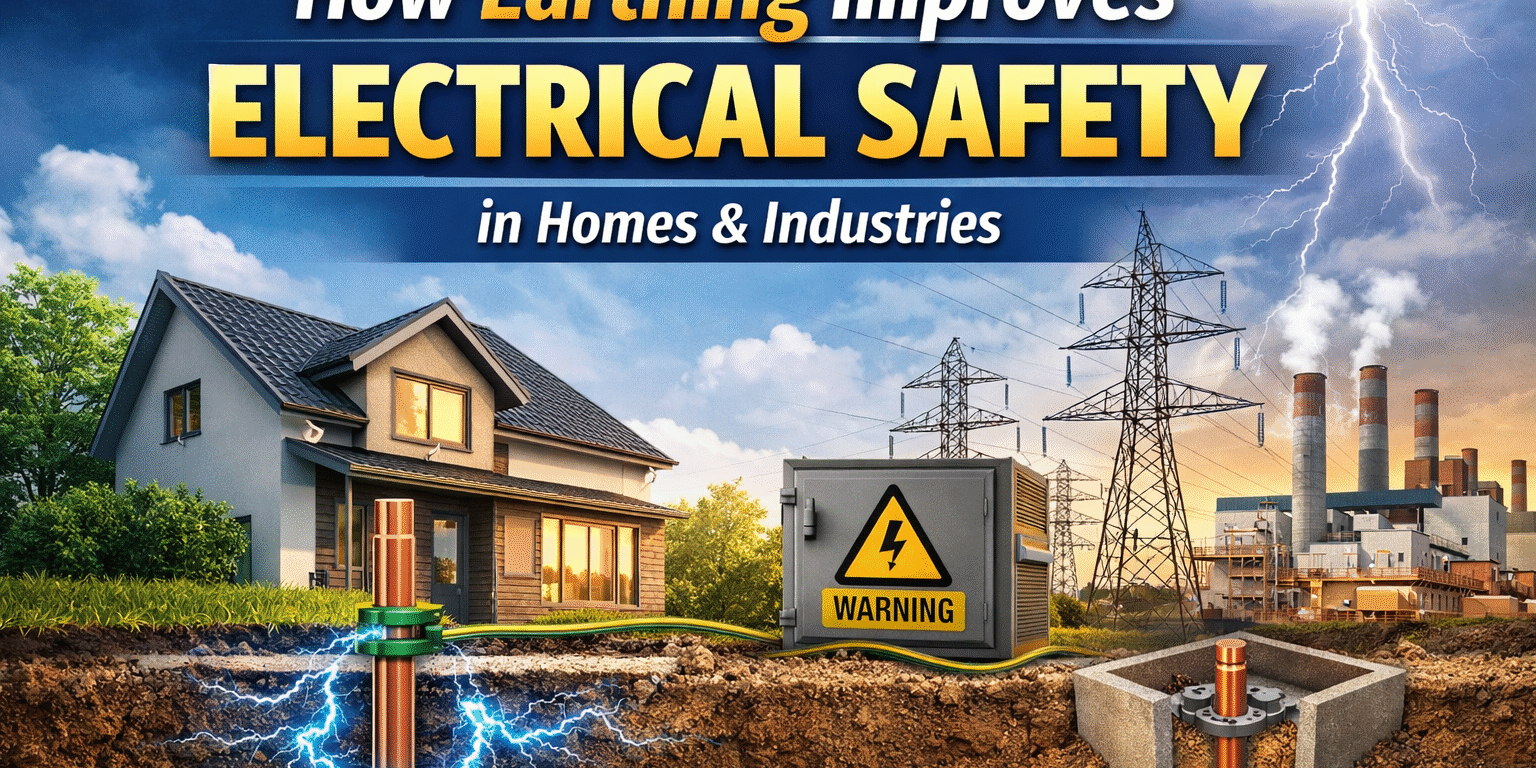
In simple terms, earthing installation acts as a safety valve for electrical systems. When electrical faults occur—such as short circuits, insulation failures, or lightning strikes—the excess electricity is safely discharged into the ground.
Without proper earthing system installation, these fault currents could energize metal surfaces of appliances, creating dangerous situations for users and damaging sensitive equipment.
How Earthing Improves Electrical Safety
A properly implemented earthing system provides multiple layers of protection. It safeguards both human life and electrical infrastructure.
Protection from Electric Shock
One of the main purposes of earthing safety is to protect people from electric shocks. In the absence of earthing, electrical faults can cause metal parts of appliances or machines to carry live current.
With proper earthing installation, the excess current is immediately diverted to the ground. This reduces the risk of electrocution and ensures that electrical devices remain safe to use.
Prevention of Electrical Fires
Electrical faults often generate heat due to uncontrolled current flow. If this heat accumulates within wiring or equipment, it can lead to fires.
Reliable earthing solutions help dissipate this excess current safely into the ground, preventing overheating and reducing fire hazards in homes and industries.
Protection of Electrical Equipment
Modern homes and industries rely heavily on electronic devices and machinery. These systems are sensitive to voltage fluctuations and electrical surges.
A properly designed earthing system installation stabilizes voltage levels and protects equipment from damage caused by lightning strikes, short circuits, or power surges.
Stabilizing Electrical Systems
Earthing also helps maintain stable voltage levels in electrical systems. By providing a reference point for voltage, earthing prevents irregular fluctuations that could otherwise disrupt equipment operation.
This stability is particularly important in industrial facilities where complex machinery and automation systems depend on consistent power supply.
Types of Earthing Systems Used in Homes and Industries
Different environments require different earthing solutions depending on soil conditions, electrical load, and safety requirements.
Plate Earthing
Plate earthing involves burying a metal plate, typically made of copper or galvanized iron, deep in the ground. This method is widely used in residential buildings due to its reliability.
Pipe Earthing
Pipe earthing is one of the most common methods used in both homes and industries. A galvanized steel pipe is inserted vertically into the ground, providing effective conductivity and cost efficiency.
Chemical Earthing
Chemical earthing is a modern technique that uses special conductive compounds to maintain low resistance around the earthing electrode. This method ensures consistent earthing safety even in areas with poor soil conductivity.
Strip or Grid Earthing
Large industrial facilities often use strip or grid earthing systems. These involve burying metal strips in trenches to create multiple grounding points, ensuring better fault current dissipation.
Importance of Professional Earthing Installation
Proper earthing installation requires technical knowledge and careful planning. A poorly designed system may fail during electrical faults, creating serious safety risks.
Soil Resistivity Testing
Before installing an earthing system, experts analyze the soil’s electrical resistance. This helps determine the most suitable earthing solutions for the location.
High-Quality Materials
Using corrosion-resistant materials such as copper-bonded rods and conductive backfill compounds ensures long-lasting earthing safety.
Compliance with Safety Standards
Professional earthing system installation follows electrical safety regulations and industry standards. This ensures that the system performs reliably under all conditions.
Applications of Earthing in Homes
In residential buildings, earthing protects both residents and household appliances. Proper earthing installation ensures that:
- Electrical appliances remain safe to operate
- Circuit breakers function correctly during faults
- Voltage surges do not damage electronics
- Residents are protected from electric shock
With the increasing number of electronic devices used in modern homes, effective earthing safety has become more important than ever.
Applications of Earthing in Industries
Industrial environments require robust earthing system installation due to high electrical loads and complex equipment.
Industries rely on earthing systems to:
- Protect heavy machinery and control panels
- Prevent equipment failure caused by electrical surges
- Ensure safe operation of automated systems
- Reduce downtime and maintenance costs
Reliable earthing solutions are critical for maintaining productivity and workplace safety in manufacturing plants, power facilities, and data centers.
Maintenance of Earthing Systems
Even the best earthing installation requires regular inspection and maintenance to remain effective.
Periodic Resistance Testing
Testing the resistance of the earthing system ensures it remains within safe limits. High resistance may indicate corrosion or poor soil contact.
Inspection of Earthing Components
Earthing pits, conductors, and electrodes should be checked for physical damage or corrosion.
Maintaining Soil Conductivity
In some cases, moisture levels around the electrode may need to be maintained to ensure consistent earthing safety.
Routine maintenance helps extend the lifespan and efficiency of the entire earthing system.
Conclusion
Earthing plays a vital role in ensuring electrical safety in both homes and industries. From preventing electric shocks to protecting valuable equipment, a properly designed earthing system installation is essential for any electrical infrastructure.
By investing in reliable earthing solutions, property owners and businesses can significantly reduce the risk of electrical hazards while ensuring stable system performance. For advanced and reliable earthing installation, DBA Earthing – Mumbai, India offers high-quality products and professional earthing solutions designed to meet modern safety standards.
Protect your property with reliable earthing solutions. Contact us today for expert earthing system installation and maintenance services in Maharashtra.
Frequently Asked Questions (FAQs)
1. What is earthing safety?
Earthing safety refers to the process of grounding electrical systems to prevent electric shocks, equipment damage, and electrical fires.
2. What does earthing installation involve?
Earthing installation involves placing electrodes in the ground and connecting them to electrical systems to safely discharge fault currents.
3. Why is earthing system installation important in industries?
A proper earthing system installation protects machinery, stabilizes electrical systems, and prevents costly equipment failures.
4. What are common earthing solutions used today?
Common earthing solutions include plate earthing, pipe earthing, chemical earthing, and grid earthing systems.
5. How often should earthing systems be checked?
Earthing systems should ideally be inspected and tested annually to ensure continued earthing safety and optimal performance.