As the world shifts toward clean energy, the reliability and safety of renewable installations—such as solar farms, wind energy projects, hydropower stations, and hybrid microgrids—depend heavily on a robust earthing system. Among all available grounding options, Copper-Bonded Earthing Systems stand out for their durability, conductivity, and long-term performance in diverse soil conditions.
In high-investment renewable projects, even minor grounding faults can cause equipment failure, downtime, safety risks, and costly repairs. This makes it essential to choose the right earthing method. In this article, we explore why Copper-Bonded Earthing Systems are ideal for renewable energy applications and how DBA Earthing delivers reliable Copper-Bonded Earthing Systems Solutions for modern infrastructure.
Understanding Copper-Bonded Earthing Systems
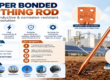
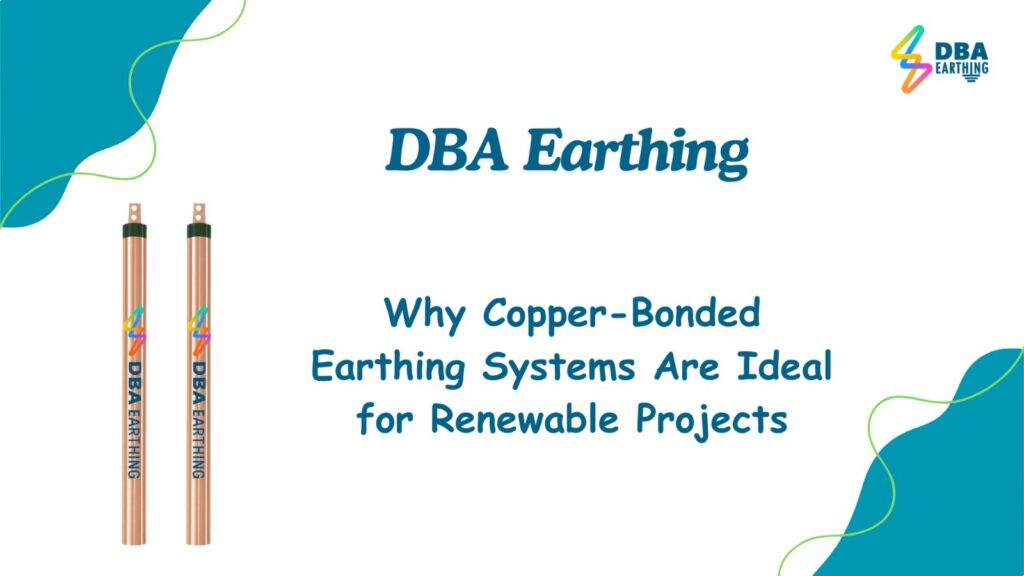
Copper-Bonded Earthing Systems consist of a steel core rod molecularly bonded with a layer of copper. This process ensures high conductivity, excellent corrosion resistance, and long operational life. The rods are driven deep into the ground to reduce soil resistivity and allow safe dissipation of electrical faults, lightning surges, and leakage currents.
Why Copper Bonding Matters
-
- Offers low resistance to earth
- Maintains long-term performance even in corrosive soil
- Provides high tensile strength
- Ensures stable grounding in all seasons
These features make copper-bonded rods significantly more dependable than GI, bare copper rods, or chemical-only systems.
Why Renewable Projects Need Superior Earthing
Renewable energy infrastructures—especially solar and wind—are exposed to harsh environmental conditions. Dust, humidity, varying soil types, wind turbulence, and frequent lightning strikes increase the demand for advanced grounding systems.
A poorly designed grounding structure can cause:
-
- Inverter shutdowns
- Unstable voltage
- Downtime and revenue loss
- Increased fire risk
- Damage to turbines, panels, and transformers
This is why renewable engineers and EPC contractors prioritize Copper-Bonded Earthing Systems Installations for their resilience and long-term safety.
Benefits of Copper-Bonded Earthing Systems for Renewable Projects
1. Long-Lasting Corrosion Resistance
Renewable projects often span large areas with varying soil chemistry. Copper-bonded rods resist corrosion far better than GI or bare steel rods, ensuring stable performance for decades.
2. High Electrical Conductivity
Copper is one of the best electrical conductors. When bonded to a steel core, it combines strength with superior conductivity—ideal for handling lightning surges and fault currents in solar and wind projects.
3. Performance in All Soil Conditions
Whether it’s the dry soils found near solar farms or coastal areas around wind turbines, Copper-Bonded Earthing Systems deliver consistent results.
4. Lower Life-Cycle Cost
While initial investment may be slightly higher, the long operational life of copper-bonded systems reduces:
-
- Replacement costs
- System downtime
- Maintenance expenses
This makes them more economical in the long run.
5. Better Lightning Protection
Tall wind towers and large open solar fields attract lightning. A high-quality earthing system ensures safe dissipation of lightning surges, protecting expensive equipment and electronics.
6. Compatibility With Surge Protection and Ground Enhancement Materials
Copper-bonded rods integrate seamlessly with:
-
- Earthing conductors
- Chemical backfill compounds
- Surge protection devices (SPDs)
- Lightning arresters
- This enhances total system reliability.
Copper-Bonded Earthing Systems Installations for Solar Projects
Ensuring Stable Energy Output
In solar farms, grounding plays a major role in inverter efficiency, power quality, and panel protection. Proper Copper-Bonded Earthing Systems Installations ensure:
-
- Reduced ground resistance
- Suppression of harmonics
- Maximum inverter uptime
- Protection from atmospheric surges
Handling Large-Scale Field Installations
Solar fields often require hundreds of grounding points. Copper-bonded rods can be driven deep into varying soil types, maintaining grounding uniformity across the installation.
Copper-Bonded Earthing Systems for Wind Energy
Managing Tall Tower Risks
Wind turbines, often placed at high altitudes or coastal belts, are extremely prone to lightning. Copper-bonded rods safely dissipate high-energy lightning surges, preventing:
-
- Turbine shutdown
- Generator damage
- Electronics failure
Handling High-Vibration Environments
Steel-core copper rods provide superior tensile strength, making them ideal for the constant vibrations generated by wind turbines.
Copper-Bonded Earthing Systems Solutions by DBA Earthing
DBA Earthing is a leading provider of advanced grounding products designed for modern renewable infrastructure. With years of expertise in electrical safety, the company offers specialized Copper-Bonded Earthing Systems Solutions for solar parks, wind farms, EV charging stations, and hybrid renewable projects.
Our Key Offerings Include:
-
- High-quality copper-bonded earth rods
- Maintenance-free earthing systems
- Earth enhancement compounds (BFC/GEM)
- Surge protection devices
- Complete earthing installation support
- Customized grounding solutions for EPCs and developers
Why Choose DBA Earthing?
-
- International-standard products
- Tested for durability and conductivity
- Expert technical support
- Reliable supply for large-scale renewable projects
With a commitment to safety, performance, and quality, DBA Earthing is trusted by contractors, EPC companies, and industrial clients across India.
Common Installation Best Practices
Soil Testing
Before installation, soil resistivity tests (Wenner Method) help determine rod length and placement.
Deep-Driven Rods
For renewable sites, deeper rods (up to 10–30 meters) provide superior grounding, especially in dry regions.
Using Backfill Compounds
BFC or mineral compounds maintain moisture levels around the rod for long-lasting performance.
Periodic Ground Resistance Testing
Ensures grounding efficiency remains intact throughout the life of the renewable project.
Final Thoughts
As renewable energy projects expand across India and the world, the need for reliable grounding solutions becomes more important than ever. Copper-Bonded Earthing Systems offer unmatched durability, conductivity, and performance, making them the preferred choice for solar, wind, and hybrid installations.
With proven Copper-Bonded Earthing Systems Solutions, DBA Earthing ensures safer, stronger, and more resilient renewable infrastructures—protecting your investment and enabling reliable power generation for years.
FAQs About Copper-Bonded Earthing Systems
Q1. What are Copper-Bonded Earthing Systems?
Copper-Bonded Earthing Systems use steel rods bonded with copper to provide high conductivity and long-term earthing performance.
Q2. Are Copper-Bonded Earthing Systems suitable for renewable projects?
Yes, they are ideal due to their corrosion resistance, durability, and ability to handle lightning and fault currents.
Q3. What is the lifespan of Copper-Bonded Earthing Systems Installations?
These systems typically last 25–40 years depending on soil conditions and installation quality.
Q4. Why choose DBA Earthing for grounding solutions?
DBA Earthing offers high-quality products, expert installation support, and customized Copper-Bonded Earthing Systems Solutions designed for renewable applications.
Q5. Do Copper-Bonded Earthing Systems require maintenance?
They are generally maintenance-free, especially when installed with backfill compounds and tested periodically.